
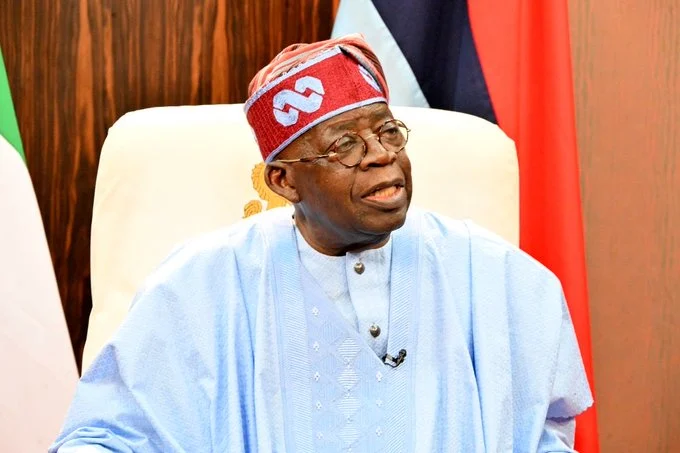
President Bola Tinubu on Tuesday said the economic reforms introduced by his administration have placed Nigeria on the path to achieving a $1tn economy by 2030, despite the hardship and challenges confronting Nigerians.
Represented by the National Chairman of the All Progressives Congress, Prof. Nentawe Yilwatda, at the second edition of the Asiwaju Scorecard Series and Policy Roundtable in Abuja, Tinubu said the reforms had strengthened the foundation for economic stability, growth and prosperity.
Tinubu commenced major economic reforms on May 29, 2023, at his inauguration, measures that were met with mixed reactions from Nigerians due to their varying impact on citizens’ livelihoods.
However, more than three years into the administration, the Presidency has maintained that the reforms are in the best interest of the country and are delivering the desired results.
Tinubu said the removal of fuel subsidy and reforms in the foreign exchange market, alongside increased revenue mobilisation and investments in critical infrastructure, were necessary to move the country away from years of economic uncertainty and towards sustainable growth.
He stated, “When President Bola Ahmed Tinubu assumed office on 29 May 2023, Nigeria faced a difficult economic inheritance. We had fuel subsidy distortions, multiple exchange-rate windows, weak revenue mobilisation, foreign-exchange shortages, rising debt-service pressures and years of inadequate investment in critical infrastructure. The President understood that Nigeria could not continue on that trajectory and therefore took difficult decisions, including the removal of the fuel subsidy and the reform of the foreign-exchange market.
“The evidence increasingly shows that the foundation is strengthening. Nigeria’s gross external reserves has risen to about $52.7 billion by August 2026. Consolidated non-oil revenue increased from approximately ₦13.63 trillion in 2023 to ₦16.4 trillion in the first two quarters of 2026, demonstrating the growing contribution of non-oil sources to government revenue. Our trade position has also improved dramatically: from a merchandise trade surplus of only about ₦44.8 billion for the whole of 2023 to approximately ₦7.54 trillion in the first quarter of 2026 alone.