
Every evening across Nigeria, millions of breadwinners make the long journey home with heavy hearts and empty hands. What used to be a routine trip back from work with a polythene bag of groceries or a quick treat for the kids has turned into a quiet march of anxiety.
Since the 2023 fuel subsidy removal and the floating of the naira, the simple act of keeping a home running has turned into an endless, exhausting test of endurance.
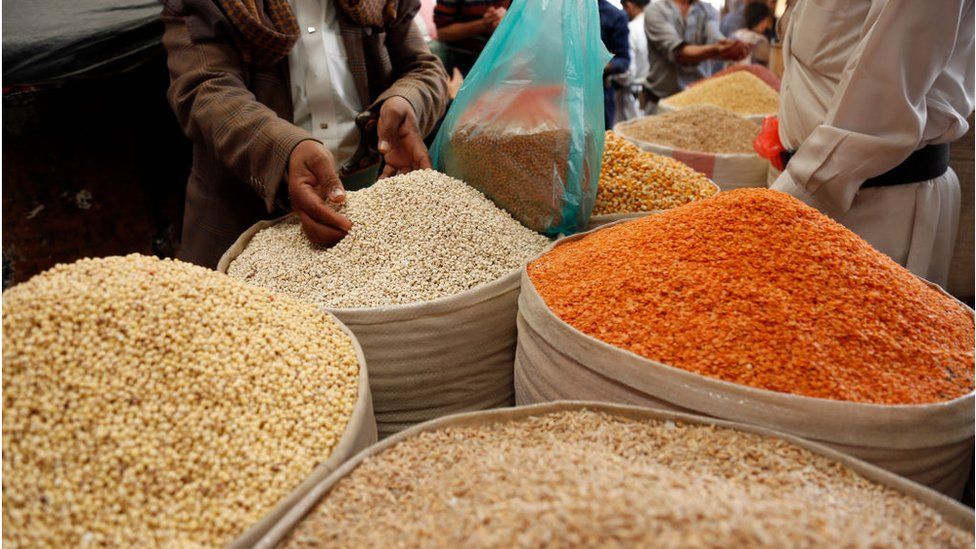
In the food market, the drama plays out in real time. With food inflation climbing relentlessly and salaries remaining stagnant, the naira in a working man’s pocket simply cannot stretch to meet the evening budget.
According to data released on Monday last week by the National Bureau of Statistics, NBS, headline inflation in Nigeria dropped slightly to 15.43 percent in July 2026 from the 15.91 percent recorded in June.
However, even with general inflation slowing down, the cost of food skyrocketed. Food inflation jumped to 20.31 percent in July from 17.52 percent in June, driven by huge price increases in daily items such as rice, garri, tomatoes, peppers and eggs.
Mothers are now forced into painful compromises, standing in front of stalls doing quick calculations, deciding whether to drop milk to buy tomatoes or skip meat for eggs just to save enough money for bus fare back home.
From civil servants in government offices to tradesmen in roadside workshops, the reality is the same: savings are gone, basic foodstuffs have become luxury items, and the traditional middle class is quietly fading.
For men raised in a culture where a father’s worth is measured by his ability to put food on the table, this crisis is not just financial; it is a deep, personal and silent burden that weighs on their dignity every single day.
Beyond the economic figures, Gift Oba, in this report, takes a closer look at the reality inside Nigerian households, documenting the desperate compromises and unseen sacrifices families make to survive this relentless inflation crisis.
The Death of “Three Square Meals”
For many households, the traditional routine of breakfast, lunch and dinner is now a thing of the past. Parents are adopting a “one-zero-one” or single-meal strategy just to survive.
Mr Segun Michael, a resident of Abeokuta North Local Government Area of Ogun State, disclosed that he eats before leaving home in the morning and, upon returning home, eats whatever is left for him as dinner.
He noted that even modest home-cooked meals have become exorbitantly expensive, and children are asked to drink garri during the day to save cooked meals for dinner.
According to him, skipping meals is not an option for his children, saying, “You must cook and prepare them for school every day. Stew is a constant thing because it goes with rice and yam; you can mix it up with spaghetti, beans and other things.”
“Ordinarily, a single small fish now costs about N2,500,” he said, calculating the cost for his family of five.
“For a family my size, you need at least two fish every two days. That’s N5,000 just on protein alone, before you even mention pepper, oil or gas,” he added.
The constant rise in food prices has completely ruined his budget, turning payday into an immediate race against inflation.
According to him, the moment his salary arrives, it disappears that same day as he rushes to buy basic items in bulk before prices jump again.
“My salary ends the exact day I collect it,” he admitted, stating further: “The best you can do is quickly buy rice, garri, spaghetti and beans in bulk to lessen the amount you will spend in a month. That has been my strategy because I don’t have anybody to call if my family has nothing.
“I won’t lie to you. We had to cut some of our spending; that part of the protein has also been cut. When the children finish eating, we even hesitate to ask, ‘Are you full?’ We just tell them to drink water to support it.”
Stagnant Salaries and the Inflation Gap
Another father, Ismaila Mohammed, told DAILY POST that his salary is gone in just two days, arguing that family responsibilities far outweigh his income.
He lamented that the relentless jump in market prices has rendered previous household allowances almost meaningless, forcing him to raise the monthly feeding allowance he gives his wife from N50,000 to N70,000.
Yet, despite this N20,000 increase, the money still falls short.
Mohammed stated that beyond food, the rising cost of education presents another heavy burden. With his three children returning to school after the holidays, he disclosed that their fees jumped from N400,000 last term to N550,000 for the upcoming session