
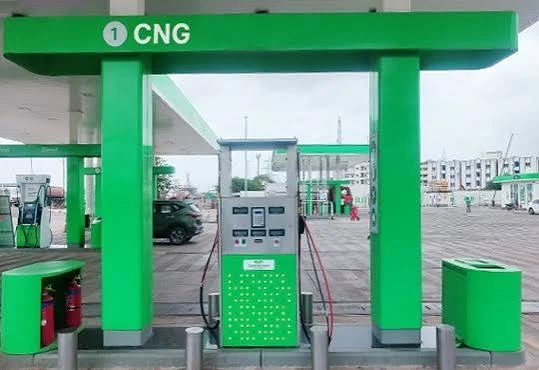
As the Federal Government moves to deliver measurable reductions in transportation costs from October 1, states are adopting different approaches to the Compressed Natural Gas initiative, with some already operating subsidised transport services while commercial operators in several others complain about inadequate refuelling infrastructure, high conversion costs and long queues at existing stations.
The uneven rollout has raised questions about the ability of transport operators and state governments to deliver cheaper fares across the country within the timeline set by President Bola Tinubu.
The President, after meeting the 36 state governors on August 27, announced an implementation committee for the National Affordable CNG Transit Programme under the Nigeria Governors’ Forum, chaired by Governor AbdulRahman AbdulRazaq.
In an update on Saturday, Tinubu urged states to work with transport unions and commercial operators, support vehicle conversion and fleet deployment, and ensure that savings from cheaper energy were passed on to commuters through lower fares. The Presidency said more than 120,000 vehicles had been converted, with over 400 certified conversion centres and more than 90 CNG refuelling stations across the country.
But while the Federal Government says the infrastructure is expanding, transport operators in some states say the available facilities remain inadequate to support widespread conversion.
The challenge is particularly evident in areas where motorists already using CNG spend several hours waiting to refuel.